

Over 50% Of Deer Ticks In Marshfield Clinic Study Were Carriers Of Lyme Disease Bacteria
as Wisconsin sees historic levels of reported Lyme disease cases, recent ongoing research study finds over half its 12,000-plus tested ticks were bacteria carriers
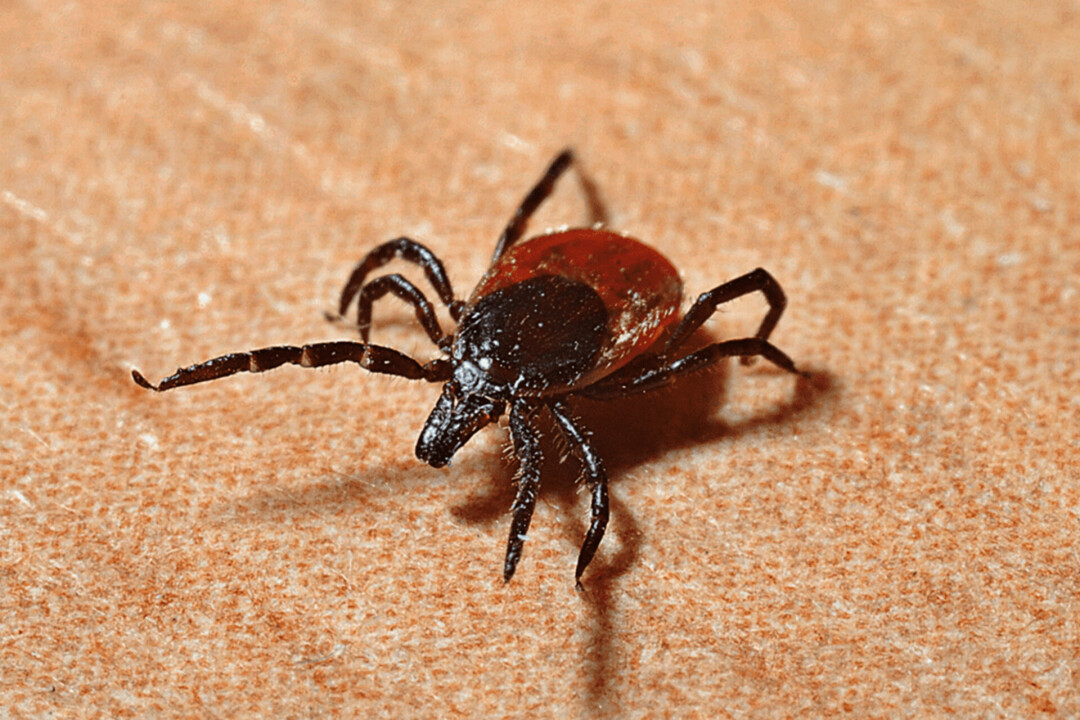
According to Marshfield Clinic Research Institute's citizen science tick study, which tested over 700 deer ticks from throughout the upper Midwest in 2024 and 2025, over half of the collected ticks were carriers of the bacteria which causes Lyme disease.
The Tick Inventory via Citizen Science (TICS) study launched in spring 2024, aiming to investigate tick species found in the region and what pathogens deer ticks – scientifically known as I. scapularis – carried.
Deer ticks, as described by Marshfield Clinic, are most commonly found in wooded areas and grasslands in Wisconsin. Sometimes only the size of a single poppy seed, “they make contact as people brush past, latch onto their host and engorge in blood,” a recent media release stated. “The ticks can potentially carry pathogens that can lead to different diseases.”
Importantly, researchers and clinicians state the TICS study does not indicate a 50% chance of acquiring Lyme disease through a deer tick bite, but rather more ticks in the upper Midwest are carriers of it.
“We know from other studies that the risk is about 3%,” Marshfield Clinic's media release stated. “For a person to be at risk of developing Lyme disease, the deer tick must be attached for at least 36 hours.”
The TICS study – which worked with a total 12,493 ticks submitted by the public from 2024-2025 – most commonly found two species: D. variabilis (the American dog tick or wood tick) and I. scapularis (deer tick).
A pre-print research paper, published on May 15, outlined the TICS study's early findings. In it, it's clear: “In the upper Midwest, Lyme disease is the most common tickborne illness, by far.”
“Ticks may be small, but the illnesses they carry are not,” said Dr. Jennifer Meece, Marshfield Clinic Research Institute senior vice president of research, in the release. “Knowing the symptoms of tickborne illnesses can mean the difference between early treatment and long‑term health complications.”
“We don't want to scare people off from being outdoors – Wisconsin residents and its visitors love the state because of the natural wonders and beauty,” Meece continued. “We just encourage people to take proactive steps to protect themselves from ticks and be observant if they do find themselves with a tick bite.”
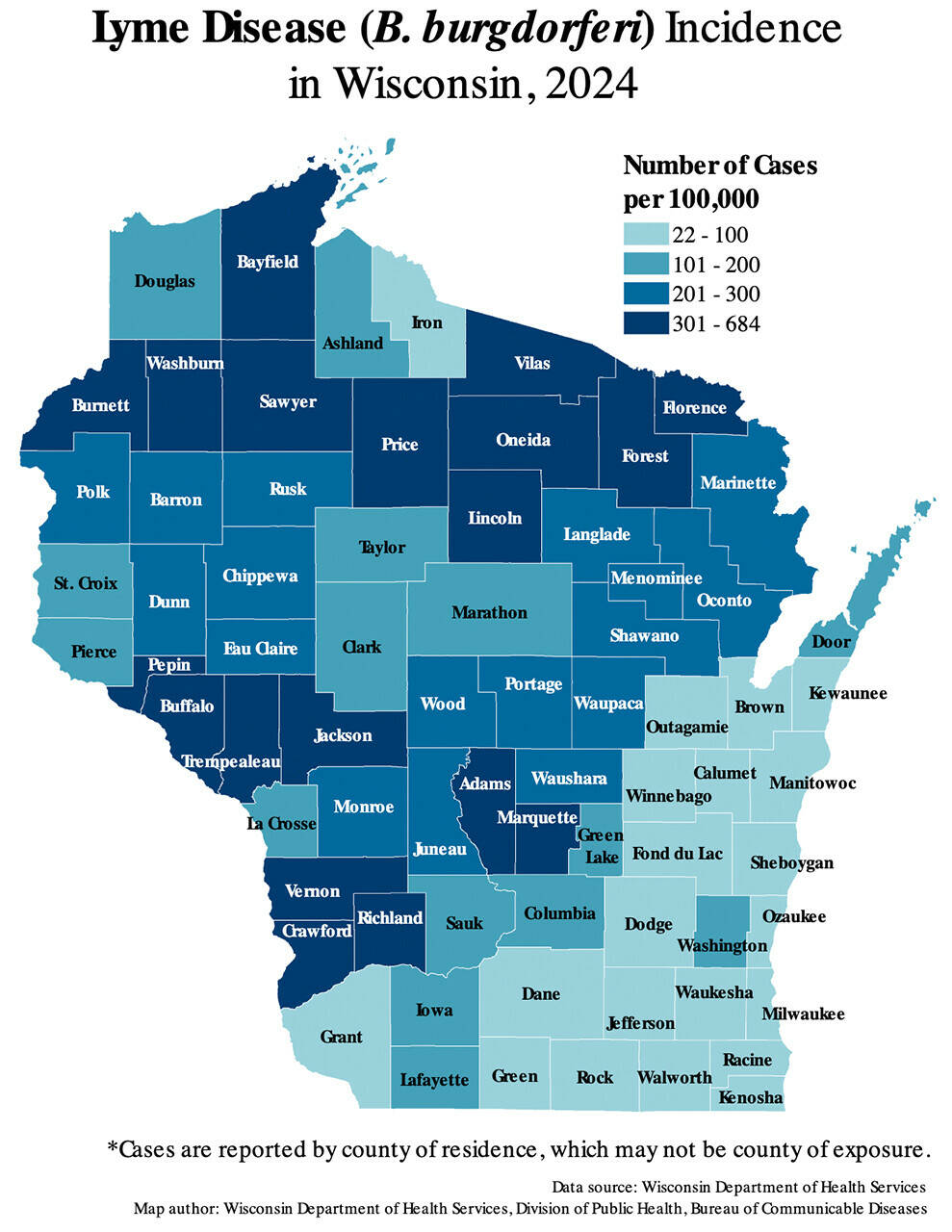
According to the Wisconsin Department of Health Services, reported Lyme disease cases have quadrupled over the past two decades; in 2024, Wisconsin saw over 6,000 cases of Lyme disease, marking the highest reported cases on record.
These points further emphasize the importance of tickborne illness awareness and early identification of symptoms.
What to do if you find a tick on your person, according to Marshfield Clinic
If you find a tick attached to your skin, use tweezers to remove the tick as soon as possible. Grasp the tick close to the skin's surface to avoid squeezing the tick’s body. Pull the tick away from the skin with steady pressure to avoid causing the tick mouthparts to break off and remain in the skin.
Symptoms of illnesses resulting from a tick bite can include rash, fever, joint pain, and fatigue within several days to weeks. Contact your medical provider if you have these symptoms. Lyme disease doesn’t always result in the classic bullseye rash. *Bring the tick in a small plastic bag to your provider, if possible.
“Testing is important, because early treatment is highly effective in preventing later stages of the disease from developing,” said Dr. Thomas Boyce, a pediatric infectious disease physician with Marshfield Clinic. “If you remove a deer tick that is attached and engorged, a single dose of an antibiotic (doxycycline) can reduce the risk of contracting Lyme disease ten-fold.”
To reduce the risk of tick bites, spray the insecticide permethrin on clothing, sleeping bags, and tent fabric. Wear clothing that covers your skin. Finally, have someone help you check for ticks after time spent outdoors.
*You can request a pre-paid tick collection kit by contacting Marshfield Clinic at tics@marshfieldclinic.org or +1 (715) 389-7796, ext. 16462. Once the tick, dead or alive, has been placed in the collection kit, just drop it in the mail to submit. Any tick found on people or pets is appreciated.
Learn more about the Tick Inventory via Citizen Science (TICS) study from Marshfield Clinic Research Institute online.